
Celebrating 6 Years of Mi Oh My Farms: Growing Food, Community, and a Different Kind of Economy
On July 25, 2026, Mi Oh My Farms celebrates six years of growing food, cultivating community, and demonstrating that another way of doing business is possible.
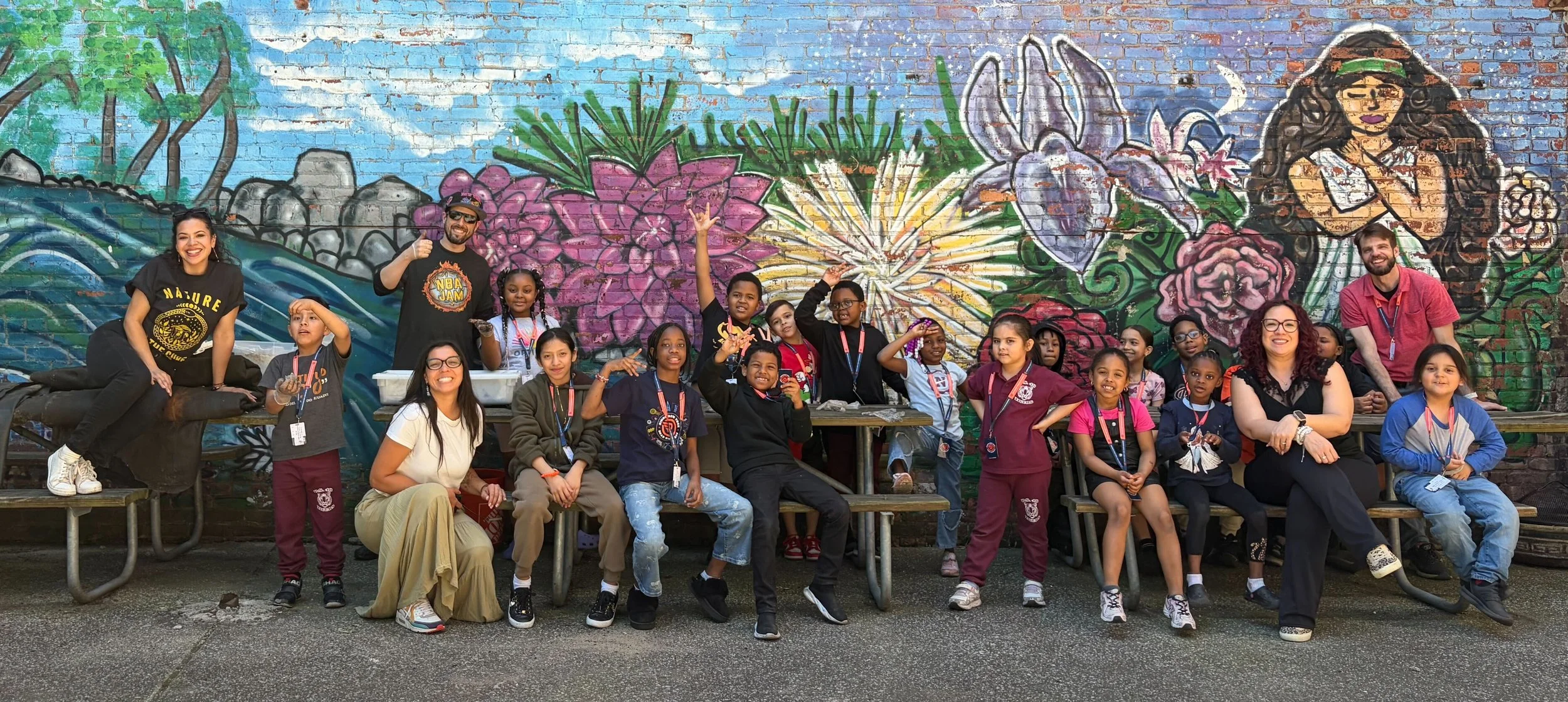
What began in 2020 as a vision to reconnect people with healthy food, nature, and one another has grown into a thriving worker-owned cooperative rooted in regenerative agriculture, education, and community wealth building. Over the past several years, we've had the privilege of teaching thousands of students across New York City, cultivating nutrient-dense food, supporting local communities, and showing that businesses can succeed while putting people and the planet at the center of their mission.
As we celebrate this anniversary, we're reflecting not only on how far we've come, but also on the values that continue to guide our work.
More Than a Farm
Mi Oh My Farms was founded on the belief that healthy food, environmental education, and economic opportunity should be accessible to everyone.
Today, our work includes:
Growing fresh microgreens and mushrooms using regenerative aquaponic growing methods.
Providing hands-on STEAM education that connects students with food systems, biology, ecology, and nutrition.
Building community through workshops, farm tours, and collaborative learning experiences.
Creating pathways toward community wealth through cooperative ownership.
Every harvest, workshop, and partnership reflects our commitment to caring for both people and the planet.
Why We Chose the Cooperative Model
Mi Oh My Farms isn't just an urban farm and educational organization—we're a worker-owned cooperative.
That means the people doing the work also help guide the future of the organization.
Our cooperative is built around a simple but powerful idea: Instead of concentrating decision-making in the hands of outside owners or investors, worker cooperatives give every worker-owner an equal voice in shaping the direction of the business.
This model encourages collaboration, shared responsibility, transparency, and long-term thinking. It allows us to prioritize the health of our workers, our community, and our environment alongside financial sustainability.
Learning from MONDRAGON
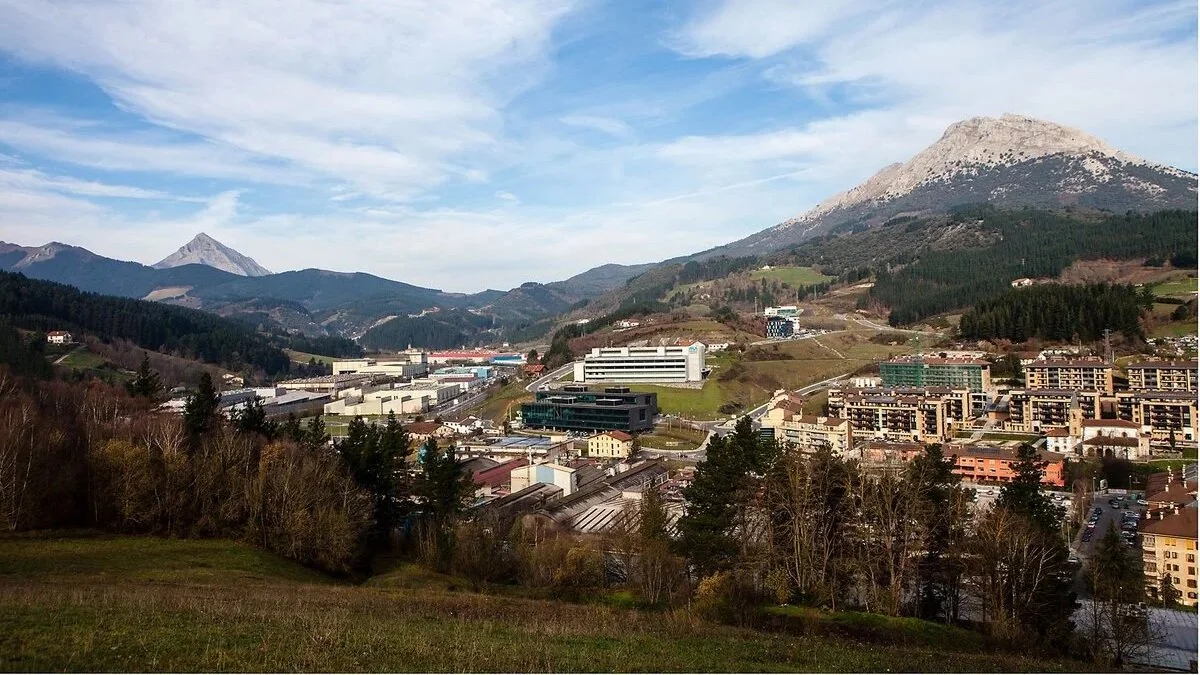
One of the world's most recognized examples of cooperative success is MONDRAGON Corporation in Spain.
For decades, MONDRAGON has demonstrated that businesses can thrive while prioritizing democratic participation, shared ownership, human development, and community impact. Their cooperative network is built on principles such as participation in management, solidarity, education, and social transformation.
Their success reminds us that businesses don't have to choose between being people-centered and economically successful.
Worker-owned cooperatives offer a different vision of the economy—one rooted in collaboration instead of extraction.
Why Worker-Owned Cooperatives Matter
Imagine if the people doing the work also helped shape the future of the business.
Worker-owned cooperatives create opportunities for:
Shared ownership
Democratic decision-making
Meaningful participation
Community-rooted economic growth
Long-term stewardship
Rather than wealth flowing upward to distant shareholders, cooperatives help circulate resources back into the workers and neighborhoods that make the work possible every day.
This approach strengthens communities while creating businesses that are accountable to the people most invested in their success.
Regeneration Goes Beyond Farming
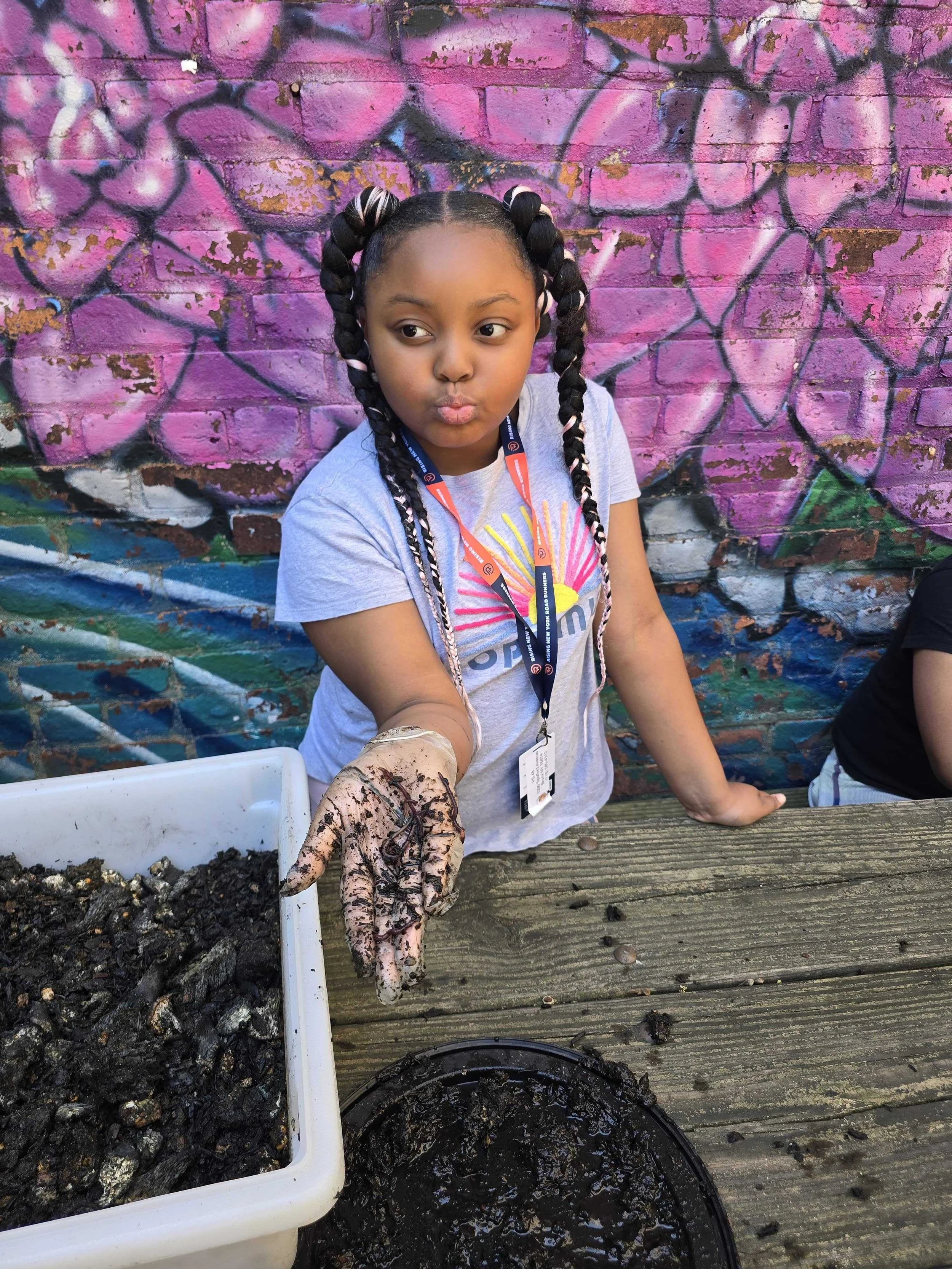
When many people hear the word regenerative, they think about healthy soil, composting, biodiversity, and sustainable farming practices. Those are all essential. But at Mi Oh My Farms, regeneration extends beyond how we grow food.
We believe regenerative food systems and cooperative economics naturally complement one another. Healthy ecosystems depend on diversity, balance, and mutual support. Healthy communities do too.
By combining regenerative agriculture with democratic ownership, we're working toward food systems that nourish people, strengthen neighborhoods, and create opportunities for future generations.
Looking Ahead
Celebrating six years is both a milestone and a reminder of what's possible when people come together around a shared purpose.
One of the things we're most proud of is that we never stop learning. As new research, technologies, and regenerative practices emerge, we continue expanding our educational programming and K–12 curriculum to prepare students for the future of food and agriculture.
Over the past year, we've expanded our workshops to include regenerative aquaponics, giving students an opportunity to explore one of the world's most innovative approaches to sustainable food production.
What Makes Regenerative Aquaponics Different?
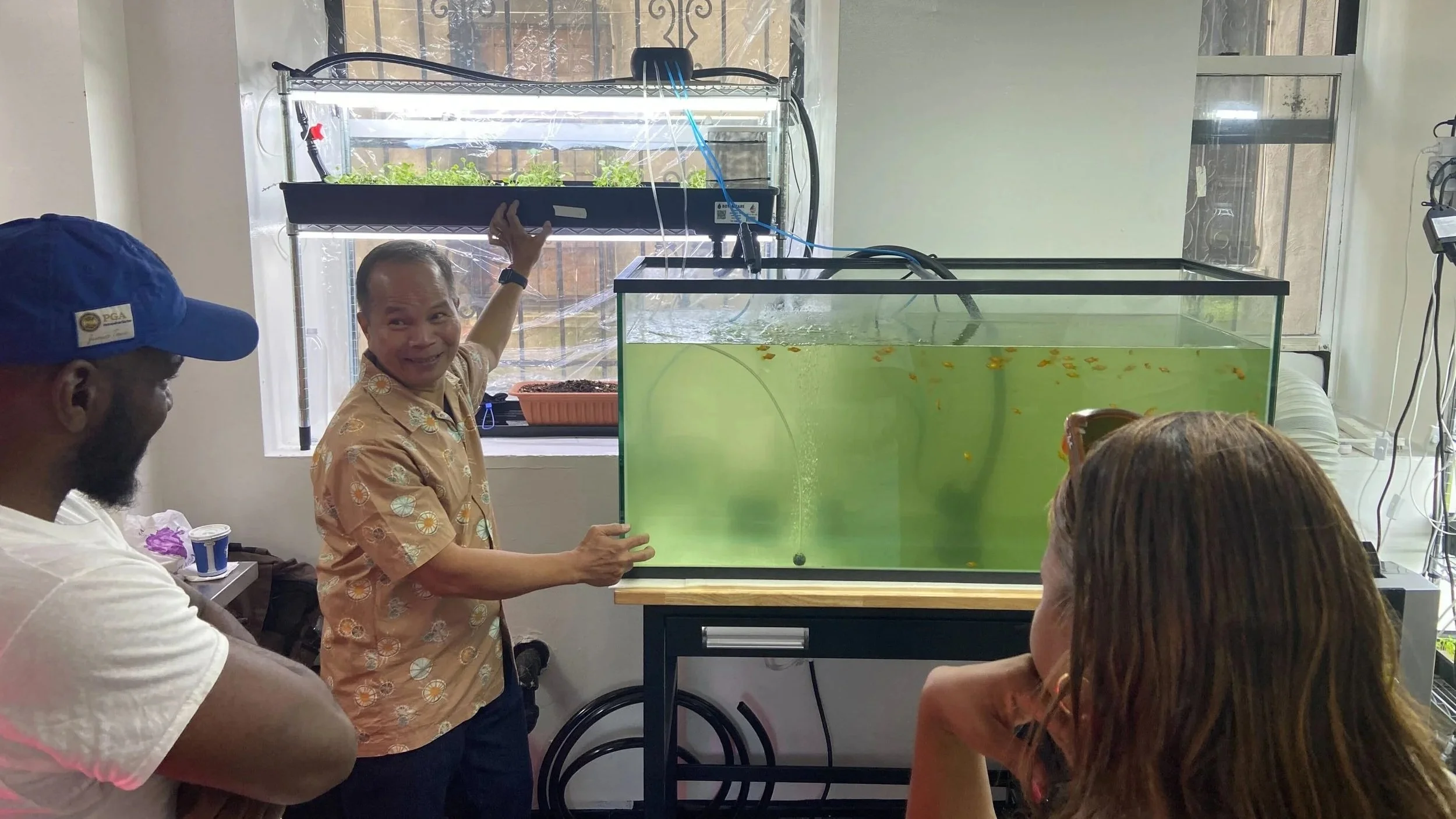
Regenerative aquaponics is more than growing food without soil—it's about creating a living ecosystem where every part supports another.
Through hands-on learning, students discover how interconnected natural systems work together:
🐟 Fish naturally produce nutrient-rich water that feeds plants.
🌿 Plants absorb those nutrients while helping clean the water.
🦠 Beneficial microbes convert fish waste into plant-available nutrients through the nitrogen cycle.
💧 Clean water is recirculated back to the fish, dramatically reducing water use compared to many conventional farming methods.
♻️ Closed-loop systems minimize waste, turning natural byproducts into valuable resources.
By exploring regenerative aquaponics, students experience biology, ecology, chemistry, engineering, environmental science, and food production working together in one living system. More importantly, they begin to see how thoughtful design can create resilient food systems that conserve resources and regenerate—rather than deplete—our environment.
As we begin our seventh year, we'll continue growing nutritious food, expanding educational opportunities, strengthening regenerative farming practices, and inspiring the next generation of environmental stewards and changemakers.
We're grateful to every student, educator, community partner, customer, worker-owner, and supporter who has been part of this journey.
Together we've shown that farms can be classrooms, businesses can build community wealth, and food can be be a catalyst for education, healing, and connection.
Thank you for growing with us.
Here's to the next six years of cultivating healthy food, empowered communities, and a more regenerative future.
To learn more about our K–12 workshops, farm tours, and regenerative education programs, visit www.miohmyfarms.com/k12-workshops.
Happy 6th Birthday, Mi Oh My Farms! 🌱
